How Artificial Intelligence Impacts Daily Life
Artificial Intelligence (AI) is increasingly becoming a part of our everyday lives. This article explores how AI affects our routines, enhances productivity, and transforms our interactions with technology.
Understanding the Basics of AI
At its core, Artificial Intelligence refers to systems that simulate human intelligence processes, such as learning, reasoning, and self-correction. Researchers have been studying AI for decades, and its applications are now present in various aspects of our daily lives. According to a recent study by McKinsey, over 60% of organizations have adopted AI technologies in some capacity, reflecting its growing importance in the modern world.
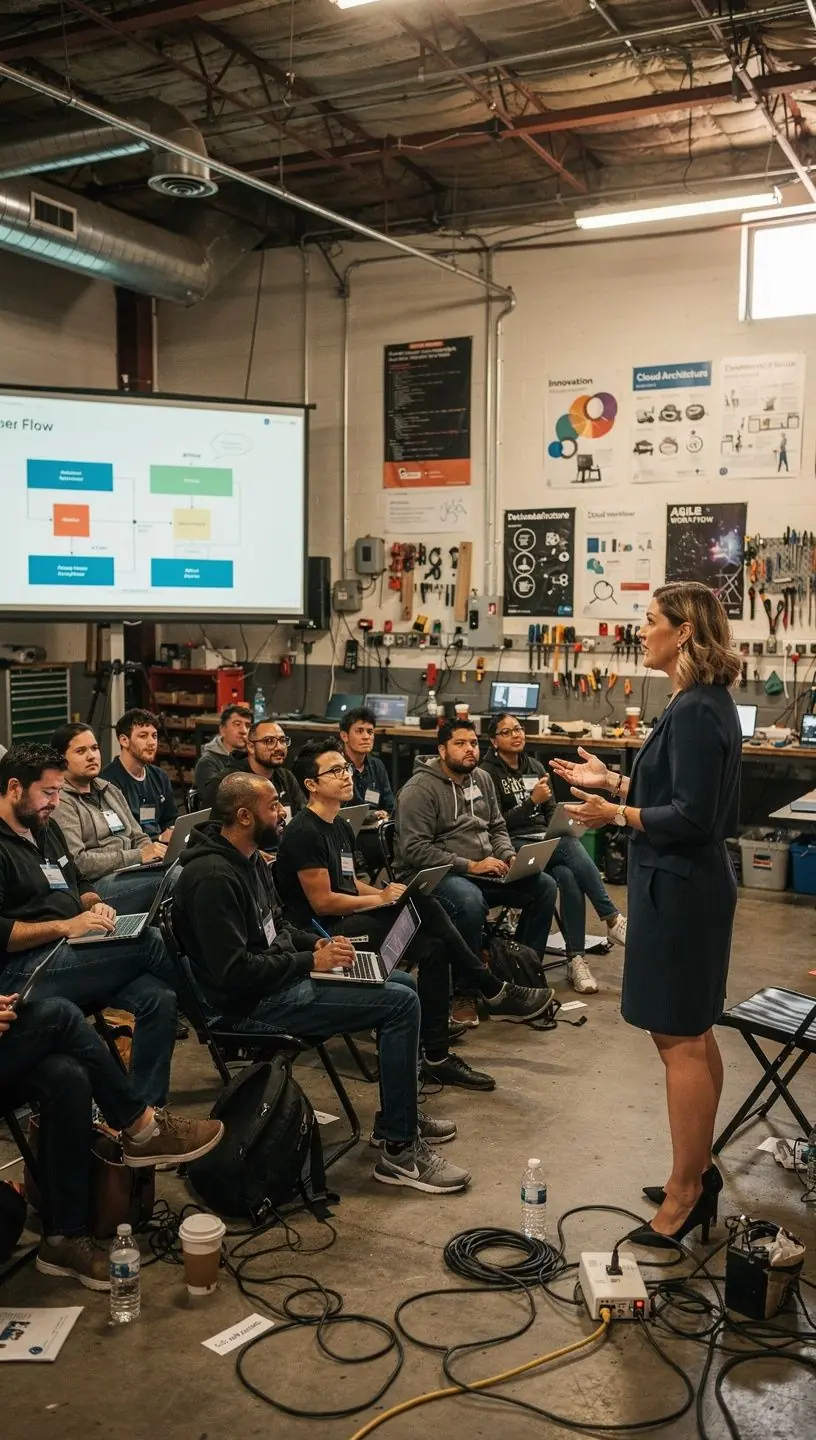
"AI can analyze data and perform tasks that typically require human intelligence, making it a powerful tool for enhancing productivity."
Common Applications of AI in Daily Life
AI applications are widely recognized across different sectors. Here are a few practical examples:
- Virtual Assistants: Tools like Siri and Alexa leverage AI to provide users with personalized assistance. Many users report that these assistants help them manage daily tasks, such as setting reminders or playing music.
- Smart Recommendations: Streaming services like Netflix and Spotify use AI algorithms to offer content suggestions based on user preferences. Research indicates that these personalized recommendations can increase user engagement significantly.
- Healthcare Innovations: AI is also transforming healthcare, with applications in diagnostic procedures and personalized medicine. Studies show that AI can help doctors analyze medical images with greater accuracy, improving patient outcomes.
The Impact on Productivity
AI technologies can greatly enhance productivity in various environments, from workplaces to homes. For instance, AI-driven project management tools can automate routine tasks, allowing teams to focus on more strategic initiatives. A report from Deloitte suggests that organizations utilizing AI can experience productivity increases ranging from 20% to 30% in specific contexts.
Challenges and Limitations of AI
While AI offers numerous benefits, it is essential to acknowledge its limitations. Implementing AI solutions typically involves a learning curve and may require significant time and resources. Moreover, AI systems may not perform as effectively in situations lacking sufficient data or in highly unpredictable environments.
Conclusion
Artificial Intelligence is undoubtedly changing how we live and work, providing tools that can enhance our daily lives and improve productivity. By understanding how AI operates and its implications, users can make informed decisions about integrating these technologies into their routines. As AI continues to evolve, staying educated and adaptable will be crucial in navigating its impact on our lives.